.webp)
Tongue Tie Release: What Parents Need to Know
Taking your baby in for any kind of procedure can be nerve racking.

Taking your baby in for any kind of procedure can be nerve racking. From the first heel pricks at the hospital to disease fighting vaccines. Even though we know those things are to keep them safe, we never want to see our baby in pain. If you have been told your baby has a tongue tie and needs a release, otherwise known as a frenectomy, one of your first thoughts might be how much pain will they experience?! There is good news - a frenectomy does not typically cause baby extreme pain. Additionally, there are steps you can take as the parent to make sure your baby is prepared both pre and post tongue tie release.
First, you may be wondering what a tongue tie even is. A tongue tie, or ankyloglossia, is a small piece of tissue that connects the tip of the tongue to the floor of the mouth. This restricts movement of the tongue and can then affect how someone eats and speaks. It is something a baby is born with, and therefore is often discovered when mom and baby face breastfeeding and/or bottle feeding issues. Although more research is needed to better understand the causes of oral restrictions, a lot can be learned about how the tissues of the mouth and tongue develop in a fetus during pregnancy. In utero, tissue forms to anchor the tongue to the base of the mouth. In most cases, this tissue naturally dissolves to a small, flexible tether around the 12th week of pregnancy. In some fetuses, however, this tissue does not dissolve, leaving a tight ‘tie.’ Evidence points to a genetic mutation known as MTHFR (methylenetetrahydrofolate reductase). Tongue tie is hereditary and is often passed down from one generation to the next. It seems to be more common in boys than in girls and has shown to be more present in babies who are born with birthmarks known as “stork bites.”
Wondering if your baby has a tongue tie? There are many signs and symptoms to look for if you suspect your baby might have a tongue tie. For example, baby might have facial asymmetry, neck tightness, neck creases, poor tongue motion, or present as a gassy baby, swallow air/make clicking noises while feeding, have difficulty keeping a latch, and/or fall asleep within minutes of feeding. Mom can also show symptoms such as pain while nursing, mastitis or low milk supply. For more information on signs, symptoms and getting diagnosed, check out THIS (live link) previous blog. If any of these apply to you, get checked out by a knowledgeable provider such as a pediatric PT/OT/IBCLC who can help you get a proper diagnosis and go through next steps.
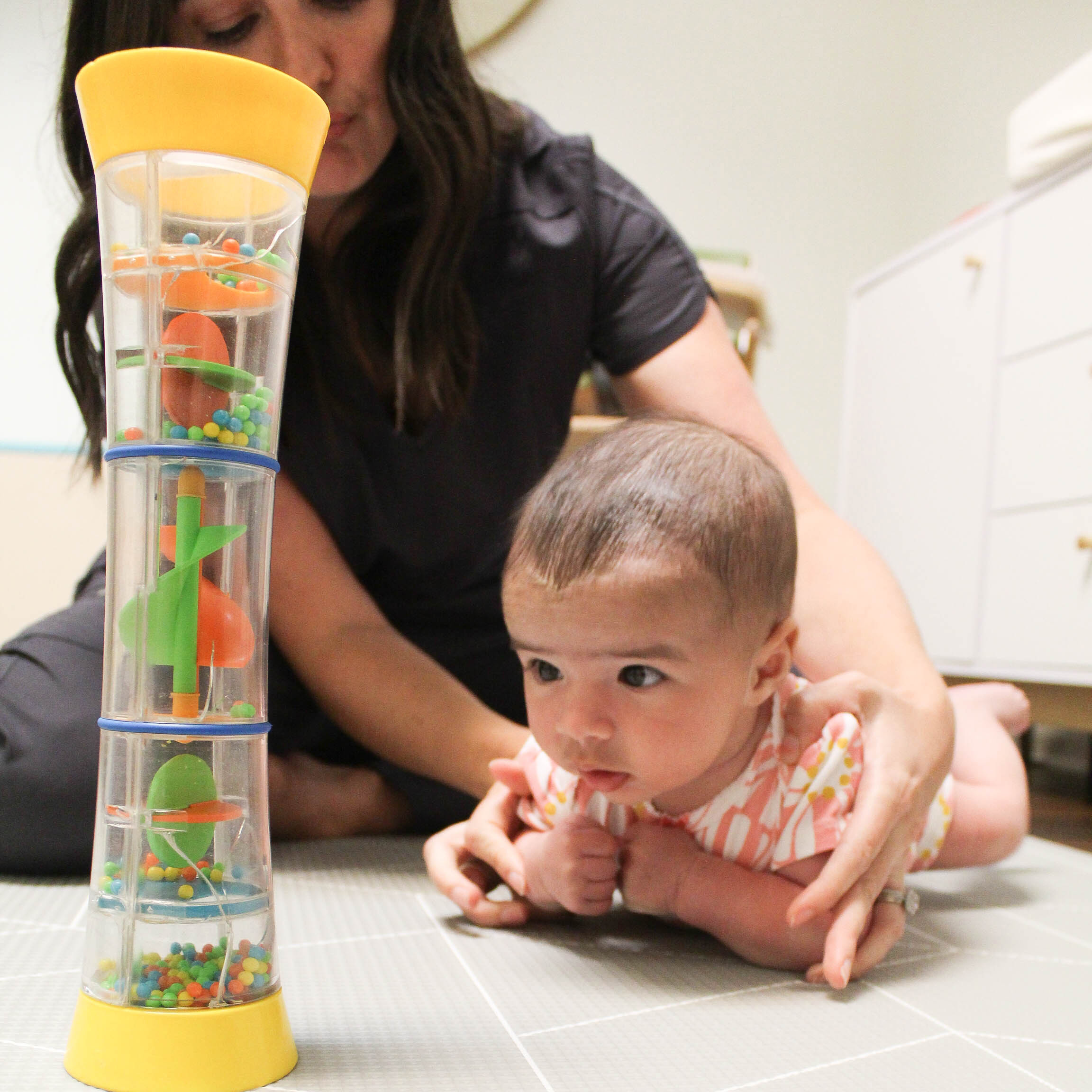
So, you’ve gotten a professional diagnosis and found out your baby has a tongue tie and needs a frenectomy. Now what? As parents, it’s natural for us to worry about ANYTHING that might cause our baby pain. But, the good news is, you’re now one step closer to a more enjoyable feeding process for both you and baby. First things first, do not underestimate the power of therapy pre-release. THIS blog (live link) takes a deeper look into the benefits of therapy for a tongue tie. Still wondering how therapy can help a baby with a tongue tie? You can also see it in action HERE. The body is all connected and it is imperative to understand how oral restrictions can impact the entire body. In return, therapy aims to alleviate fascial restrictions,enhance posture and alignment, improve sensory processing, address broader motor delays and improve functional skills.
Once the frenectomy has been performed, therapy continues to play an important role in achieving the desired results for baby’s feeding. Remember back to the first time they had your baby try to breastfeed at the hospital? The nurses teach you how to help baby latch and encourage skin to skin to work on comfort and bonding. The same can be done to encourage post-release feeding, combined with therapy exercises to help baby gain proper range of motion and sucking. Therapy helps to decrease tension and focuses on tongue function and suck training with developmentally appropriate positions and exercises.
Most importantly remember, you are the best parent for your baby and you are doing a great job! For more on tongue ties, click HERE for my free guide and check out all of my “must-have” Tongue Tie Procedure items HERE.
-3.jpg)